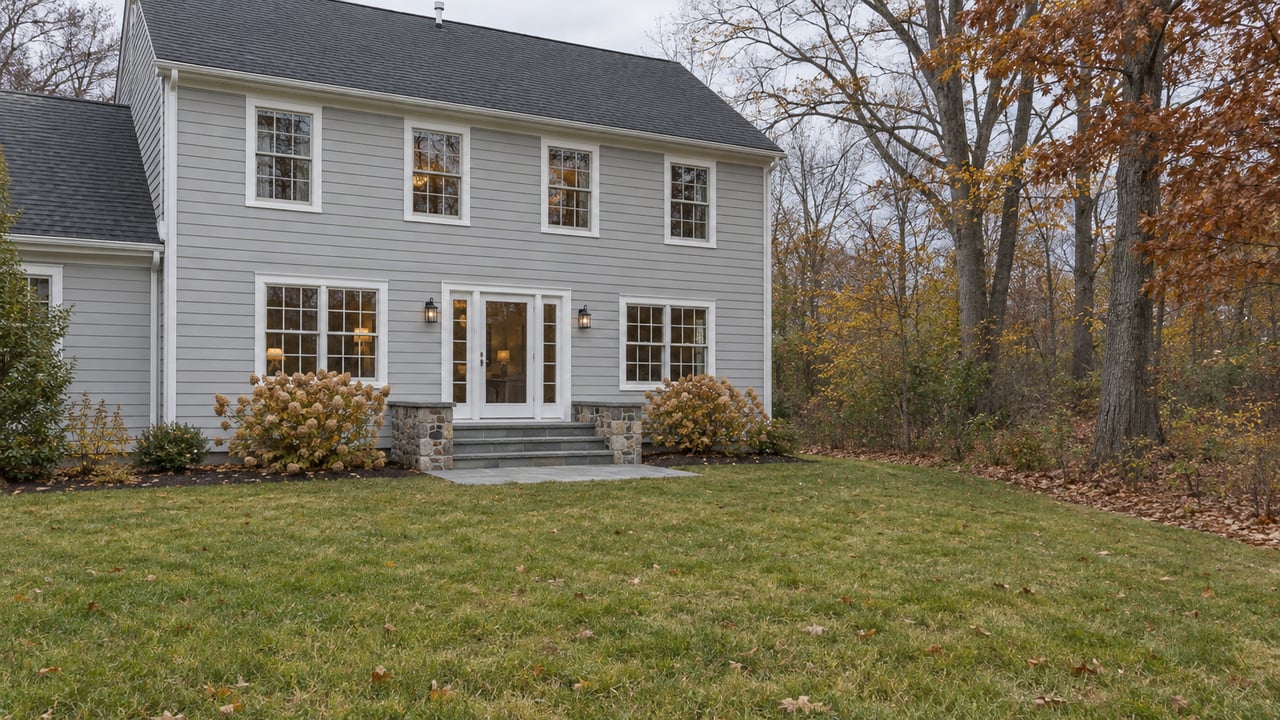
Thinking about a move in South Windsor but unsure what today’s market is telling you? You are not alone. The headlines change weekly, and it is easy to feel stuck. The good news is that three simple metrics cut through the noise: inventory, days on market, and prices. When you understand these numbers, you can choose better timing, set the right price, and negotiate with confidence. Let’s dive in.
Inventory and months of supply
Inventory tells you how many active listings buyers can choose from right now. Months of supply goes one step further by comparing that inventory to the pace of recent sales.
- Definition: months of supply = active listings ÷ average monthly closed sales.
- Interpretation:
- Under 3 months: seller’s market with faster sales and upward price pressure.
- 3 to 6 months: more balanced conditions.
- Over 6 months: buyer’s market with more negotiation room.
South Windsor context
South Windsor is a mid-sized town tied to the Hartford job market with convenient access to I-84 and I-291. Because the market is not huge, even small shifts in active listings or a handful of closings can move months-of-supply noticeably from one month to the next. New construction, building permits, or a single subdivision release can also change the local picture more than you might expect in a larger metro.
Quick example calculation
- If there are 120 active listings and 30 homes close per month on average, months of supply = 120 ÷ 30 = 4 months.
- Four months suggests a fairly balanced market. A drop to 90 actives at the same sales pace would put months of supply at 3, tilting leverage back to sellers.
What to watch each month
- Track active listings and closed sales together, not in isolation.
- Compare this month’s months-of-supply to the same month last year for seasonally fair insight.
- Ask your agent to calculate months-of-supply for your specific price range and home type, not just the town-wide average.
Days on market: speed of demand
Days on market (DOM) measures how long it takes for a typical listing to go under contract. Median time-to-contract is often the clearest indicator of current buyer activity.
- Short DOM, such as under 15 days, often signals strong demand and frequent multiple-offer scenarios.
- Rising DOM points to a slower market or list prices that are out ahead of buyers.
- High DOM combined with visible price reductions is a strong hint that initial pricing missed the mark.
South Windsor seasonality
DOM in South Windsor typically runs shorter in spring and early summer when more buyers are active. To read the signal accurately, compare DOM to the same month in prior years instead of comparing July to January. That avoids mistaking normal seasonality for real change in demand.
Prices and sale-to-list ratio
Price trends tell you what buyers are actually willing to pay. To see the full picture, look at median sale price, price per square foot for similar homes, and the sale-to-list ratio.
- Median sale price is the middle sale in a period and is less affected by extreme outliers.
- Price per square foot helps you compare similar properties across neighborhoods and home types.
- Sale-to-list ratio is sale price divided by the final list price.
- Above 100 percent often indicates bidding above list.
- Below roughly 98 to 99 percent points to more frequent concessions and negotiation.
How to interpret movement
- Rising or steady prices with falling inventory suggest firm seller leverage.
- Flat or dipping prices alongside rising inventory point to growing buyer leverage.
- In a small market, a single luxury closing can skew the average. Median values and price per square foot for comparable homes keep things honest.
New listings, pendings, and absorption
You can anticipate near-term shifts in inventory by watching the flow of new listings and how quickly buyers put them under contract.
- Absorption rate: sales ÷ active listings, expressed as a percentage per month.
- If pendings outpace new listings over a few weeks, expect available inventory to fall.
- If new listings consistently outpace pendings, inventory will build and DOM often lengthens.
South Windsor nuances
One or two larger subdivision releases can add a burst of new listings in a single month. Likewise, a big week of accepted offers can pull a noticeable number of homes into pending status. Look at 30, 60, and 90-day trends to smooth out one-off bumps.
Seasonality and mortgage rates
South Windsor often sees the most buyer activity in spring and early summer, with a calmer pace late fall through winter. Mortgage rates also matter. When rates rise, some buyers step back or lower budgets, which can increase DOM and soften prices. When rates fall, demand can rebound quickly. Keep an eye on reputable mortgage rate summaries, and pair what you see with local inventory and DOM for a complete view.
What it means if inventory is tight
When months-of-supply is under 3 and DOM is short, expect faster sales and competitive offers.
Sellers
- Price close to market value to spark strong early activity and potentially multiple offers.
- Complete disclosures and prep before listing to reduce hesitations and renegotiations later.
- Set a defined review period for offers and a plan for handling escalation clauses.
Buyers
- Get fully pre-approved, not just pre-qualified, so you can act quickly.
- Consider flexible terms, such as a seller-preferred closing date or limited non-essential contingencies, if they fit your risk comfort.
- Widen your search to include nearby towns or different property types if inventory is very thin.
What it means in a balanced market
When months-of-supply is between 3 and 6, the playing field is more level.
Sellers
- Use recent comparable sales to set a realistic asking price and anticipate a normal marketing window.
- Invest in staging and targeted marketing to shorten DOM and improve your net.
- Expect some negotiation and have a plan for small concessions vs. price reductions.
Buyers
- You have room to negotiate on both price and terms.
- Keep inspection and financing contingencies aligned with your goals without overreaching.
- If you are not in a rush, watch for seasonal lulls to find opportunities.
What it means if inventory is high
With over 6 months of supply and longer DOM, buyers hold more leverage.
Sellers
- Consider strategic price adjustments or incentives such as closing cost assistance or a home warranty.
- Extend your marketing plan and focus on cost-effective improvements that deliver visible value.
- Revisit your pricing if showings are slow or feedback repeats the same concerns.
Buyers
- Look for motivated sellers and negotiate for credits or repairs after inspections.
- Use appraisal protection and clear financing terms to safeguard your purchase.
- If rates are volatile, consider locking when you are comfortable to preserve affordability.
Practical seller checklist
- Request a hyperlocal CMA covering the last 6 to 12 months, with DOM and sale-to-list ratios for your micro-neighborhood.
- Track months-of-supply for homes like yours by price range and property type.
- Set a maximum acceptable DOM and a pre-planned price adjustment timeline before you list.
- Prepare for appraisal by knowing nearby closed comps and any unique features that add value.
Practical buyer checklist
- Ask for a snapshot of current active, pending, and closed counts in your target area.
- Review sale-to-list ratios and recent price reductions on comparable properties.
- Align your offer strategy to the market: faster decisions in low DOM, more contingencies in higher DOM.
- Keep a close watch on mortgage options and monthly payment scenarios as rates move.
Micro-markets within South Windsor
Town-wide medians are useful, but value often differs by home type and location. Three- to four-bedroom single-family homes can behave differently than condos or newer construction. Homes near major commute corridors may see different buyer interest than properties on larger lots in quieter areas. Ask for price per square foot comparisons for similar homes in your immediate area so you can price and negotiate with precision.
How we help you use these numbers
Our team studies South Windsor’s inventory, DOM, and price trends each month and applies them to your exact property or search. You get neighborhood-level pricing guidance, clear timing advice, and a negotiation plan shaped by real data. With legal-level contract expertise and a process built from thousands of local transactions, we help you move faster with fewer surprises.
If you want a clear read on your timing and value, reach out for a custom market snapshot or request a free valuation. You can start a conversation with James Knurek today.
FAQs
What does months of supply mean in South Windsor?
- It estimates how long it would take to sell all current listings at the recent sales pace, signaling whether conditions favor sellers, buyers, or a balanced market.
How fast are homes selling right now in South Windsor?
- Median days on market shows speed to contract; lower DOM means faster sales and more competition, while rising DOM signals slower demand or pricing pushback.
Are prices rising or falling in South Windsor?
- Track median sale price and sale-to-list ratios over several months; rising prices with tight inventory suggest seller leverage, while flat or falling prices with more supply favor buyers.
Should I wait to buy or sell in South Windsor?
- Align your decision with months-of-supply, DOM, and mortgage rates plus your personal timeline; strong data and a clear plan matter more than trying to time the peak.
How does my neighborhood compare to the town average?
- Ask for a micro-market analysis showing recent comps, price per square foot, DOM, and sale-to-list ratios for your specific home type and price range.