Your home’s first showing usually happens online. In a market like South Windsor, where most households have broadband access and buyers are highly likely to compare homes on their screens before they ever schedule a visit, your listing needs to make a strong first impression fast. That is why the way your home is priced, photographed, described, and promoted online matters so much, and this is where a clear process can make a real difference. Let’s dive in.
Why online marketing matters in South Windsor
South Windsor is a suburban, ownership-focused market with a housing mix led by detached single-family homes. Town planning data shows that about 71% of the housing stock is detached single-family, and U.S. Census data shows a high owner-occupied rate along with strong computer and broadband access. In practical terms, that means many buyers start by comparing homes online and narrowing their options before booking showings.
That pattern shapes how your home should be presented. Buyers are not just looking for a basic listing with a few photos. They want clear visuals, useful details, and enough information to decide whether your home deserves a closer look.
We start with pricing strategy
Before marketing begins, pricing needs to be grounded in the market. A strong online campaign can bring attention to your home, but pricing helps determine whether that attention turns into showings, offers, and a smoother timeline.
Our valuation process looks at the factors that matter most, including location, age, size, condition, improvements, recent comparable sales, market trends, inventory trends, interest rates, and buyer sentiment. Online estimates can be a helpful starting point, but a comparative market analysis gives you a more complete picture of where your home fits in the current South Windsor market.
A smart price also supports the rest of the marketing plan. When buyers see a home that looks compelling online and feels well-positioned against nearby options, they are more likely to act quickly.
Professional visuals lead the listing
When buyers search online, photos matter most. In NAR’s 2025 Home Buyers and Sellers Generational Trends report, 83% of buyers who used the internet said photos were the most useful website feature.
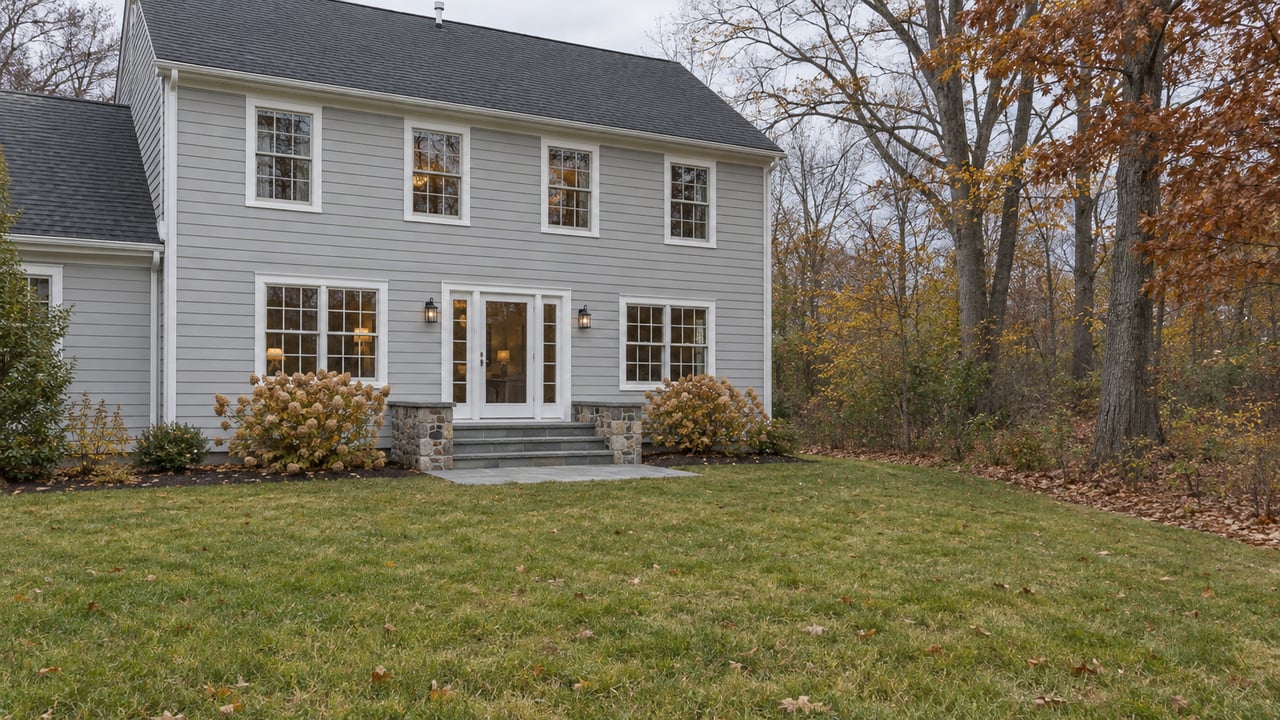
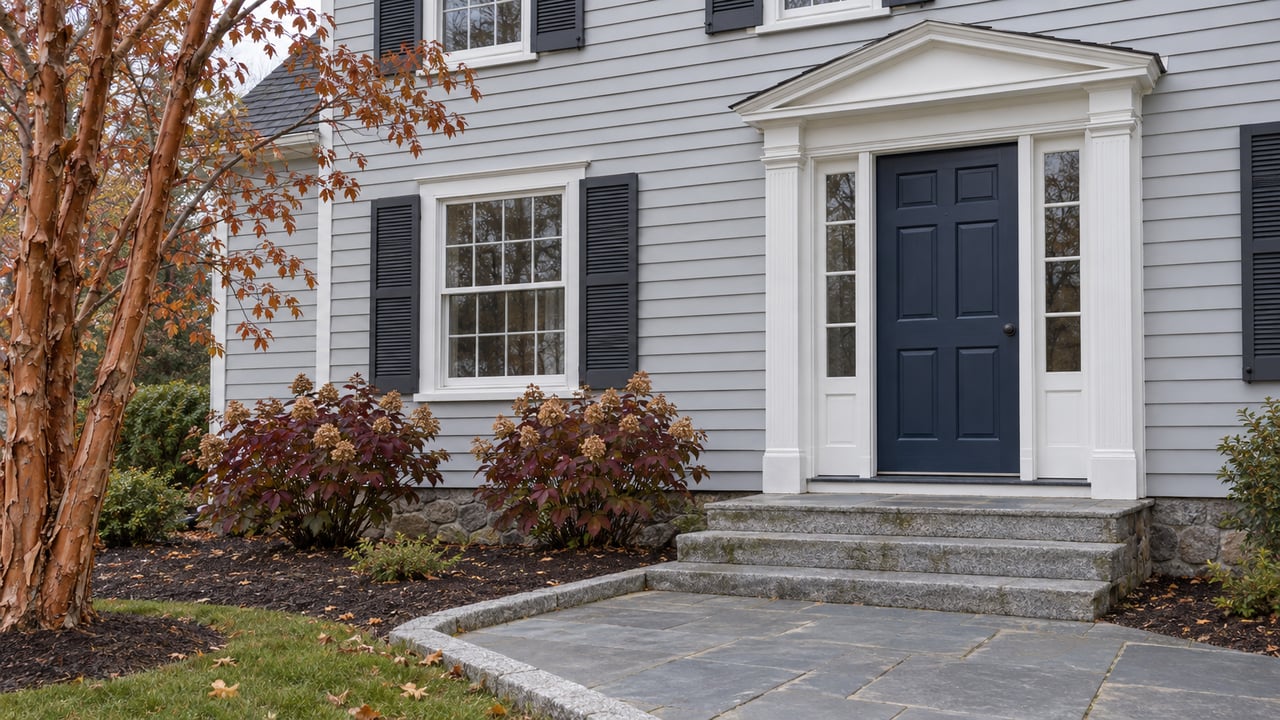
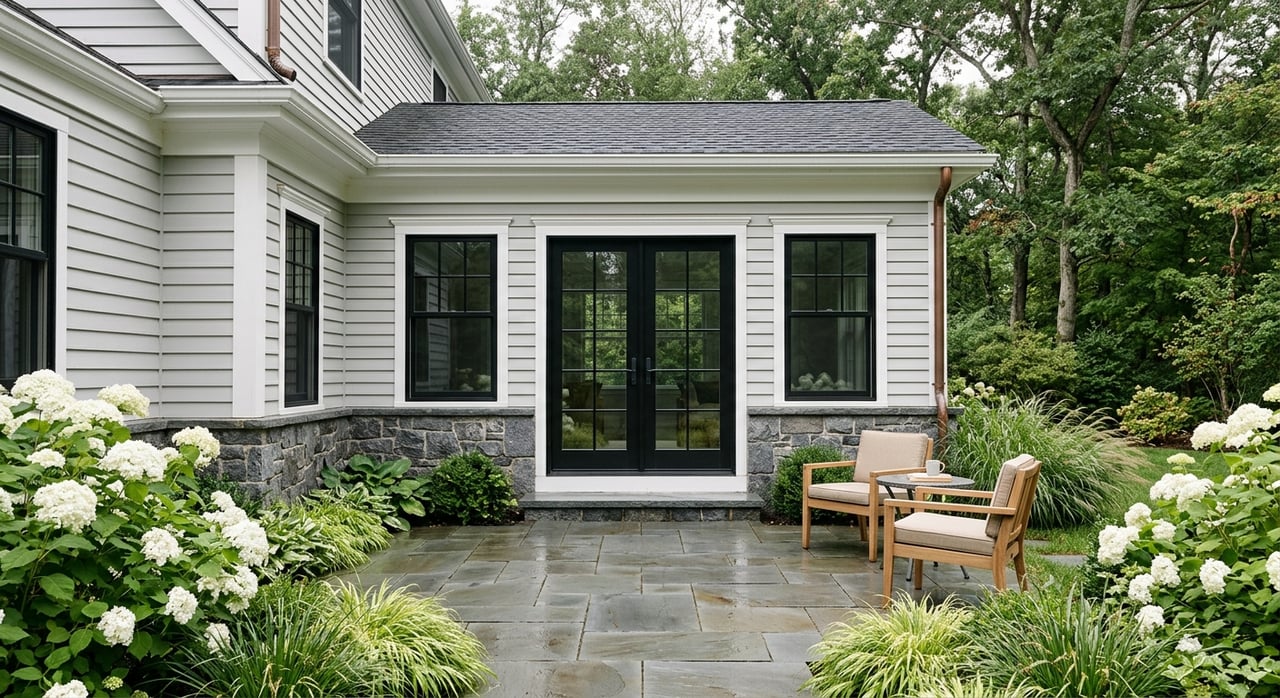
That is why we lead with visuals that help buyers understand your home right away. Professional photography is not just about making rooms look nice. It is about showing space, light, layout, and condition in a way that feels accurate and inviting.
Photos that answer buyer questions
Strong listing photos should help buyers quickly understand what the home looks like and how it lives. They should show the main rooms clearly, highlight updates and features, and create a sense of flow from one area to the next.
In a suburban market like South Windsor, buyers often compare several homes at once. Clear, polished images help your home stand out while giving buyers confidence that the listing is well prepared and worth seeing in person.
Floor plans, tours, and video
Photos do the heavy lifting, but they are not the only tools buyers value. NAR reports that detailed property information is highly useful to 79% of buyers, floor plans to 57%, virtual tours to 41%, and videos to 29%.
That tells you something important. Buyers want more than beauty shots. They want practical information that helps them picture the size, layout, and functionality of the home before they ever walk through the front door.
Clear property details build trust
A good online listing should answer common buyer questions before a showing is ever booked. Buyers want to know what the home offers, how the space works, and whether the price feels supported by the details they see.
That means the listing copy should be clear, accurate, and useful. Room count, layout highlights, updates, lot features, and other property facts all help buyers decide whether your home fits what they need.
What buyers want to know fast
Your listing should help buyers quickly answer questions like these:
- What does the home look like?
- How big is it?
- How is the space laid out?
- What features or updates stand out?
- How does it compare with nearby homes?
- What should I do next if I am interested?
When those answers are easy to find, buyers can move from casual browsing to serious interest much faster.
MLS exposure expands your reach
Your home should not depend on one website alone. Once a property is publicly marketed, the MLS plays a major role in getting it in front of a wider audience.
NAR defines syndication as the MLS display of listings on an MLS public website and the distribution of listings to third-party websites. In plain language, that means your listing can reach beyond a single brokerage platform and appear where more buyers and buyer agents are already searching.
Why broader exposure matters
More visibility creates more opportunity for the right buyer to find your home. It also helps ensure buyers are seeing consistent property information across the online ecosystem.
In a market where buyers often compare homes digitally before setting appointments, broad and accurate exposure can improve the chances that your home gets noticed early.
Social media supports launch momentum
A listing launch is not just about posting a home and waiting. Social media has become one of the most widely used real estate technologies, and NAR’s 2025 Technology Survey found it was the top lead-generating technology for REALTORS at 39%.
That makes social promotion an important part of the process. It can help create early awareness, put your listing in front of more people, and keep interest moving after the home first hits the market.
What social media adds
Social media can support your listing by:
- Expanding visibility beyond direct home search sites
- Showcasing standout visuals and short-form video
- Creating repeat exposure as buyers continue browsing
- Helping interested prospects re-engage with the property
For sellers, the takeaway is simple. Social media is not just extra promotion. It is part of a modern listing strategy.
Follow-up matters after launch
Getting your home online is only the first step. After the listing goes live, interest needs to be tracked and managed so that serious buyers are not lost in the shuffle.
NAR’s technology research shows that CRM tools and social media play a major role in lead generation for real estate professionals. That supports a process where interest can be monitored and buyers can be re-engaged with reminders, updated information, or next steps.
This matters because timing often shapes results. A buyer who notices your home today may be ready to schedule a showing tomorrow, or may need one more touchpoint before taking action.
Compliance matters online too
Online marketing needs to do more than look polished. It also needs to follow Connecticut advertising rules and fair housing standards.
Connecticut defines real estate advertising broadly, including written or photographic material posted online, sent by email, or distributed electronically. State rules also require certain identifying information in website advertising, and team advertising must prominently include the sponsoring broker’s name.
Neutral, accurate marketing protects everyone
Digital housing ads are also covered by fair housing rules. That means listing copy, images, targeting, and placement should stay accurate, neutral, and compliant.
For you as a seller, that is part of professional representation. Good online marketing is not only effective. It is also careful, consistent, and built to meet the standards that apply to real estate advertising in Connecticut.
What this means for your sale
If you are selling in South Windsor, online marketing should be treated as a core part of the selling process, not an afterthought. The local market’s high broadband access, ownership profile, and suburban housing mix all point to the same reality: buyers are likely to evaluate your home online before they ever decide to visit.
That is why our process focuses on the pieces that matter most. Price it thoughtfully. Present it clearly. Distribute it broadly. Follow up consistently. When those steps work together, your listing is better positioned to attract attention and turn that attention into real opportunity.
If you are thinking about selling and want a pricing and marketing plan built for your home, start with a conversation with James Knurek.
FAQs
How is a South Windsor home price determined before marketing starts?
- A strong starting price should consider location, age, size, condition, improvements, recent comparable sales, market trends, inventory trends, interest rates, and buyer sentiment.
Why are professional photos important for an online home listing?
- NAR reports that photos are the most useful website feature for buyers who search online, so strong visuals help your home make a better first impression.
How does an MLS listing help market a South Windsor home online?
- MLS exposure helps distribute your listing more broadly so buyers and buyer agents can find it across a wider online search ecosystem.
What online listing details do buyers want to see most?
- Buyers tend to value photos, detailed property information, floor plans, virtual tours, and video because those features help them decide whether to schedule a showing.
How do social media and follow-up support an online home sale?
- Social media can increase visibility, while follow-up systems help track interest and reconnect with buyers who may be ready to take the next step.
How do Connecticut rules affect online real estate marketing?
- Connecticut treats online real estate promotion as advertising, so listings and related marketing should be accurate, properly identified, and compliant with fair housing and state advertising requirements.